
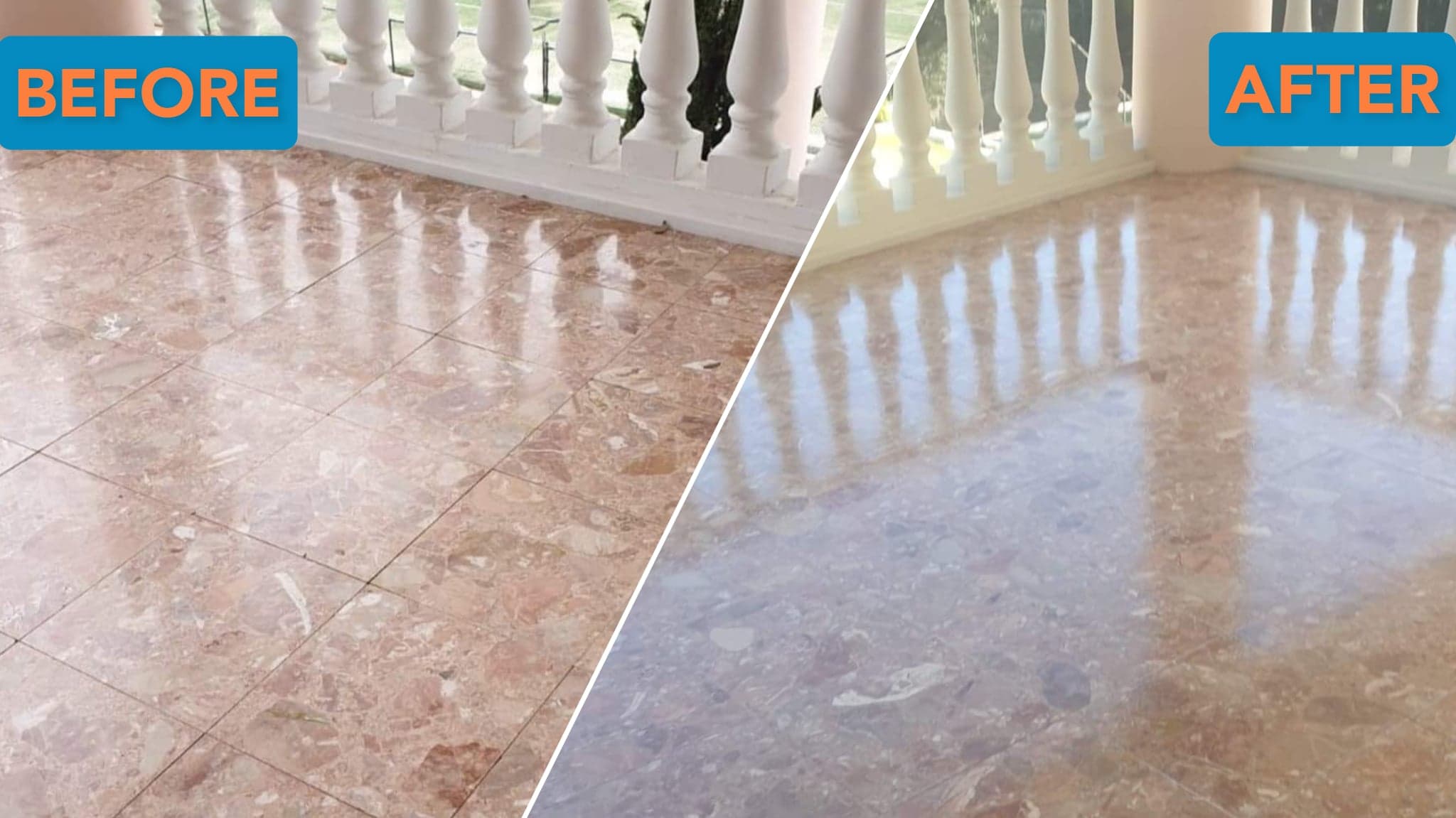
A leaking balcony can cause serious problems for your home, from damaged ceilings and walls to mould growth and deterioration of building materials. If your balcony already has tiles, you might assume that fixing the waterproofing requires removing the entire tiled surface. However, depending on the condition of the existing tiles and the underlying structure, there may be an alternative. Waterproofing over tiles on a balcony can be a practical remedial option for suitable surfaces.
Specialist clear waterproofing membranes can help protect existing tiled areas while maintaining their original appearance. This approach may reduce the disruption, labour and waste associated with removing and replacing tiles. For Australian homeowners, choosing the right waterproofing solution is particularly important because balconies are exposed to changing weather, UV radiation, heavy rainfall and temperature fluctuations.
Can You Waterproof Over Existing Balcony Tiles?
Yes, it is possible to waterproof over existing balcony tiles using a suitable remedial waterproofing system. However, the surface must be assessed before any product is applied. Existing tiles should be firmly bonded, reasonably intact and suitable for the proposed coating. Loose tiles, significant structural cracks, poor drainage or extensive substrate movement may require additional repairs before waterproofing can begin. A clear waterproofing membrane can be an option when homeowners want to retain their existing balcony tiles rather than undertake a complete renovation.
Before starting, check the following:
- Tiles are firmly attached to the underlying surface.
- Grout lines and joints are in suitable condition.
- The balcony has adequate drainage and falls.
- There are no serious structural defects.
- The surface is clean and properly prepared.
- The selected membrane is compatible with the existing tiles.
A professional assessment can help determine whether waterproofing over the existing surface is appropriate.
Why Do Tiled Balconies Develop Water Leaks?
Balcony leaks are not always caused by damaged tiles. Water can travel through small openings in grout, joints and cracks before reaching the underlying structure. Over time, exposure to Australian weather conditions can affect balcony surfaces and waterproofing systems. Repeated temperature changes, rain and direct sunlight can contribute to deterioration.
Common causes include:
- Cracked or deteriorated grout: Grout can become damaged through ageing, moisture exposure and movement. Small gaps can allow water to penetrate beneath the tiled surface.
- Failed waterproofing membrane: The original waterproofing layer beneath the tiles may deteriorate or become damaged. Once its protective performance is compromised, water can enter the building structure.
- Movement cracks: Balconies can experience movement caused by building settlement, structural changes and temperature fluctuations. This movement may affect tile joints and the underlying substrate.
- Poor drainage: Insufficient falls, blocked drains and standing water can increase the risk of water penetration and ongoing moisture problems.
Identifying the actual source of a leak is essential before selecting a suitable balcony waterproofing solution.
How to Waterproof a Balcony Without Removing Tiles
Waterproofing an existing tiled balcony requires careful surface preparation and the correct waterproofing materials. The process will depend on the condition of the tiles, grout, joints and existing waterproofing system.
The following steps provide a general overview.
Step 1: Inspect the Existing Balcony Surface
Begin by examining the balcony for loose tiles, damaged grout, cracks, deteriorated joints and signs of water penetration. Check drainage points and areas where the balcony meets walls, door frames and other building elements. These locations can be particularly vulnerable to leaks.
Step 2: Clean and Prepare the Tiles
The tiled surface must be thoroughly cleaned before applying a waterproofing membrane. Remove dirt, dust, grease, loose material and other contaminants that could interfere with adhesion.
Allow the surface to dry according to the selected product’s instructions. Appropriate preparation is essential for achieving a reliable bond.
Step 3: Repair Cracks and Joints
Damaged grout lines, movement joints and other vulnerable areas should be assessed and treated using compatible repair materials. Pay particular attention to corners, wall connections, drainage outlets and transitions between different surfaces. Simply coating over significant cracks or failed joints without addressing the underlying issue may lead to further problems.
Step 4: Apply a Suitable Waterproofing Membrane
Once the surface is prepared, apply a compatible waterproofing membrane according to the manufacturer’s instructions. A clear waterproofing membrane may be suitable for certain existing tiled balconies where retaining the original appearance is important. The application method, number of coats, coverage and drying times will depend on the specific product.
Step 5: Allow the Coating to Cure
Allow the waterproofing system to cure fully before exposing the balcony to rain, cleaning or foot traffic. Follow the manufacturer’s recommendations for curing times and any additional testing requirements. Proper application and curing are important for achieving the intended waterproofing performance.
Benefits of Using a Clear Waterproofing Membrane Over Balcony Tiles
For suitable balcony surfaces, a transparent waterproofing coating can offer several practical advantages.
- Retains the existing tiled appearance: A clear membrane can help preserve the appearance of existing balcony tiles without covering them with an opaque coating.
- Avoids unnecessary tile removal: Where the existing surface is suitable, a remedial waterproofing approach may reduce the need for disruptive tile removal and replacement.
- Helps reduce water penetration: A compatible waterproofing system can provide a protective layer that helps prevent water from penetrating through vulnerable areas of the tiled surface.
- Can simplify remedial maintenance: Some clear membrane systems allow problem areas to be identified and addressed more easily than a concealed waterproofing layer beneath tiles. Repair options depend on the condition and compatibility of the system.
- Suitable for selected residential applications: Clear waterproofing solutions can be considered for certain outdoor tiled balconies, provided the product is designed for the exposure, surface and intended use.
Is Clear Waterproofing Suitable for Australian Balconies?
Australian balconies face a range of environmental conditions, including intense sunlight, UV exposure, heavy rainfall and changing temperatures. These conditions make product selection particularly important. A waterproofing membrane intended for internal applications may not be suitable for an exposed outdoor balcony.
Before choosing a product, consider:
- Resistance to outdoor weather conditions and UV exposure.
- Compatibility with ceramic or porcelain tiles.
- Flexibility to accommodate expected surface movement.
- Suitability for the balcony’s foot traffic.
- Compatibility with existing grout, joints and repair materials.
- Drainage requirements and water exposure.
Always check the manufacturer’s technical data and application guidelines before proceeding.
When Is Waterproofing Over Existing Tiles Not Suitable?
Although waterproofing over existing tiles can be a useful remedial option, it is not suitable for every balcony.
Tile removal or more extensive repairs may be necessary when:
- Large sections of tiles are loose or hollow.
- There is significant structural movement.
- The balcony has serious drainage problems.
- The substrate is deteriorated or unstable.
- Water damage has affected underlying building materials.
- The existing surface is incompatible with the proposed membrane.
A surface coating cannot correct structural defects or replace a failed drainage system. A proper inspection helps establish the most appropriate repair method.
A Practical Balcony Waterproofing Solution from Remedial Membranes
Remedial Membranes provides clear waterproofing solutions designed to help address leaking showers and balconies without automatically requiring the removal of existing tiles. Its clear waterproofing membrane approach is intended for suitable tiled surfaces where homeowners want to retain their existing finish while adding a protective waterproofing layer. The correct product and preparation method will depend on the condition of the balcony and the intended application. Reviewing the product instructions and assessing the surface before application are important steps. If you are experiencing water penetration through an existing tiled balcony, explore the waterproofing solutions available from Remedial Membranes to find out whether a tile-free remedial approach may be suitable.
Conclusion
Waterproofing over existing balcony tiles can be a practical alternative to a full tile replacement when the surface and underlying structure are suitable. A properly selected clear waterproofing membrane may help protect tiled surfaces, reduce water penetration and preserve the balcony’s original appearance. For Australian homeowners dealing with leaking balconies, the first step is to identify the cause of the problem and assess the condition of the existing surface. Explore Remedial Membranes’ clear waterproofing solutions to discover whether waterproofing without removing your balcony tiles is the right approach for your property.
Frequently Asked Questions
Can you waterproof over existing balcony tiles without removing them?
Yes. You may be able to waterproof over existing balcony tiles using a compatible remedial waterproofing membrane. The tiles must be sufficiently stable, and the surface must be properly prepared before application.
What is the best waterproofing membrane for balcony tiles in Australia?
The best option depends on the tile type, surface condition, weather exposure and intended use. For suitable tiled balconies, a clear waterproofing membrane designed for external applications may be worth considering.
How do you fix a leaking balcony without removing tiles?
Start by identifying the source of the leak. Inspect the tiles, grout, joints and drainage, repair any suitable surface defects, and apply a compatible waterproofing system if the existing surface is suitable.
Can a clear waterproofing membrane stop balcony leaks?
A suitable clear waterproofing membrane can help reduce water penetration through compatible tiled surfaces. However, it cannot resolve every leak, particularly where structural defects, poor drainage or extensive substrate damage are present.
How long does waterproofing over balcony tiles last?
The lifespan depends on the waterproofing product, surface preparation, application quality, weather exposure and maintenance. Follow the manufacturer’s maintenance recommendations and inspect the balcony regularly.
