

Efflorescence is a common building surface problem where white, powdery salt deposits appear on materials such as concrete, tiles, grout, render and masonry. It occurs when moisture travels through porous building materials, dissolves water-soluble salts and carries them towards the surface. When the water evaporates, these salts remain behind, creating the familiar white residue.
In modern construction, efflorescence can develop due to moisture penetration through cement-based adhesives, grout and screeds. Lime-containing materials can also contribute to salt deposits and surface discolouration. Professional efflorescence treatment therefore requires more than simply cleaning the affected area. Proper efflorescence removal should be supported by an appropriate moisture control and waterproofing solution.
One of the biggest challenges with efflorescence removal is that the white deposits often return after cleaning. This happens because the underlying moisture source has not necessarily been resolved. When water continues to enter the building materials, it can dissolve additional salts and transport them towards the surface.
Movement cracks, damaged grout joints, inadequate drainage and compromised waterproofing can all contribute to recurring efflorescence. This is particularly relevant to balconies and tiled areas exposed to weather conditions. Effective efflorescence prevention requires identifying water entry points and addressing the underlying waterproofing problem.
Simply applying an efflorescence remover may provide temporary cosmetic improvement, but it does not necessarily prevent further moisture movement. A suitable efflorescence treatment should consider the condition of the substrate, existing waterproofing and any movement-related damage.

The correct efflorescence removal method depends on the affected surface, the severity of the deposits and how firmly the salts have bonded to the material.
The general removal process involves:
Inspect the affected surface: Identify where white salt deposits are appearing and investigate possible sources of moisture.
Remove loose deposits: Use an appropriate dry cleaning method to remove loose powder without spreading it across unaffected areas.
Select a suitable cleaning treatment: Choose a cleaning product specifically recommended for the affected tile, grout or concrete surface.
Address hardened deposits: Heavily calcified deposits may require specialised treatment and careful mechanical assistance.
Allow the surface to dry: Follow the cleaning product instructions and ensure the substrate is suitable for the next treatment.
Some cleaning products, including acidic efflorescence removers, can damage tiles, grout, natural stone and surrounding materials if used incorrectly. Hydrochloric acid should not be presented as a universal DIY solution. Always follow manufacturer instructions and seek professional advice where necessary. For lasting efflorescence treatment, cleaning should be considered only one part of the process. Efflorescence prevention also requires addressing the moisture that allows salt deposits to form.
Removing visible salt deposits does not automatically solve the underlying problem. If moisture continues to penetrate the building materials, further efflorescence may develop. Effective efflorescence prevention involves controlling water entry and protecting vulnerable surfaces. Depending on the condition of the area, this may involve repairing movement cracks, restoring damaged grout joints, improving drainage or applying an appropriate waterproofing membrane. For suitable tiled surfaces, a clear waterproofing membrane can provide an additional protective barrier against moisture penetration. By helping restrict water from reaching the underlying cement-based materials, the membrane can help reduce the conditions that contribute to recurring efflorescence. The most appropriate efflorescence treatment will depend on the substrate, existing waterproofing system and condition of the surface. Correct preparation and application are essential for achieving the intended protection.
Remedial Membranes offers a Clear Waterproofing Membrane solution designed to provide waterproofing protection without necessarily removing existing tiles. The membrane is intended to help reduce water penetration through suitable tiled surfaces, protecting underlying building materials from moisture exposure. This makes it a potential solution for selected balconies and other tiled areas experiencing recurring efflorescence.
When considering a clear waterproofing membrane for efflorescence treatment, correct surface preparation and installation are particularly important. The existing surface must be assessed to determine whether the membrane is suitable and whether any underlying damage requires repair first. By combining appropriate efflorescence removal with a suitable clear waterproofing membrane, property owners can address visible salt deposits while also taking steps towards longer-term efflorescence prevention.
The Clear Waterproofing Membrane installation process should follow the manufacturer’s recommended preparation and application instructions. Where specified by the installation guide, a follow-up inspection after approximately 2–4 weeks may be necessary. This allows any remaining surface deposits that appear after the initial cleaning process to be assessed and addressed. The membrane should also be inspected for any damage or areas requiring repair. If newly appearing deposits indicate continuing moisture penetration or membrane damage, the underlying cause must be investigated. A waterproofing treatment should not be considered successful simply because the visible white deposits have temporarily disappeared. Following the correct installation procedure helps ensure the clear membrane performs as intended and supports effective efflorescence prevention.
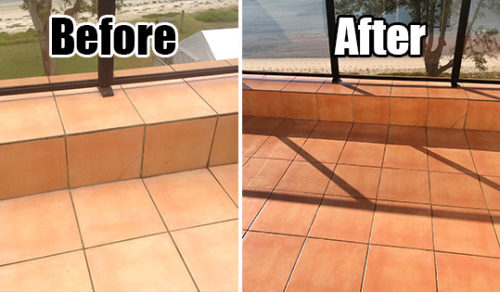
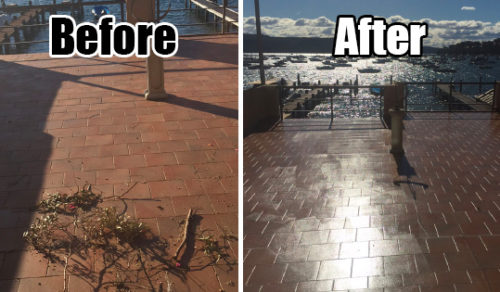
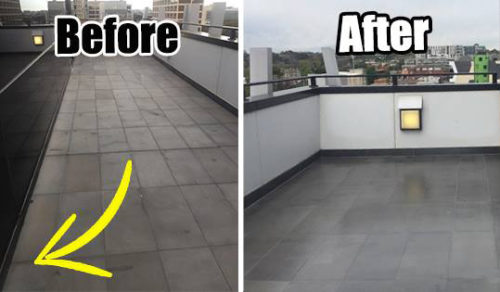
Recurring efflorescence can affect the appearance of balconies, tiled surfaces and other areas exposed to moisture. Finding the right efflorescence treatment means looking beyond surface cleaning and considering how water is entering the building materials. Remedial Membranes provides clear waterproofing membrane solutions for suitable existing tiled surfaces, offering an alternative to traditional approaches that may involve removing tiles. Whether you are looking for efflorescence removal, a suitable efflorescence prevention treatment or a clear waterproofing solution, understanding the condition of your existing surface is the first step. Explore the Clear Waterproofing Membrane solution from Remedial Membranes and discover whether it is suitable for your surface. Contact Remedial Membranes to discuss your efflorescence and waterproofing requirements.
In this section, you will find a variety of questions asked by homeowners and tradespeople about our products; we are continuously adding to this page, so the answers to your questions will more than likely be found here. If your question remains unanswered, please email us at info@remedialmembranes.com.au
When efflorescence has been exposed to the sun for a long period of time, it creates a crust, which we call calcification. In cases where this is present, you may need to break through the top layer for the acid to access the efflorescence. A bolster and a wire brush are effective tools in aiding in the removal of efflorescence.
Yes, hydrochloric acid is corrosive, which means that it can have a negative effect on you if you don’t wear the correct personal protective equipment or PPE. Please make sure to read the safety instructions when you purchase it.
The time frame for efflorescence repair and prevention involves a requirement to return 2–4 weeks after the initial application. So, the cleaning and application may be done in a matter of days, but the repair could be done up to a month after the initial application, extending the time involved in preventing it from occurring. The area can be used between the application and the repair, but each time needs 24 hours to harden before being walked on.
Yes, the instructions have video references for additional information and are described as detailed, not difficult. You can find the installation guides if you select Application on the menu options and select which application you are looking for. There will be a video on the top of the page, direct below will be the installation guide.
select your mouse of the Contact menu option, select installer on the dropdown menu, enter postcode when prompted and contact some of your local installers to get a quote. Most will be able to ask you questions over the phone and provide a phone quote for you. If there are no installers in your area you can request your local contactor to do the online training course or Do-It-Yourself.
Yes, the membrane is fine with salt water and has been installed on many balconies only meters away from the sea.
Like 95% of other waterproof membrane Clear Waterproofing Membrane is a positive membrane which protect the surface from the rain and the hose but not from rising damp. Rising damp is usually a requirement of preventing water sitting against porous building materials. In areas where that is not possible you should be looking for using epoxy
External areas are generally subject to UV and as such are not really subject to too many issues with mold.
There are reduced pores for dirt to sit in so it will be easier to clean a clean once a week with white vinegar will be sufficient.

Free help desk support
7 Days a Week
Send in images of your project and we will provide you specific product ordering and installation advice for before, during and after your DIY installation.

Guides & Videos

Accredited Installers
Don’t want to install it yourself? No problem! Contact one of our Accredited Installers that we have nationwide and get a quote, or your contractor can get trained and they install it for you!

“Thank you to Jasmine of Remedial Membranes for her work in rectifying the leak caused by the gradual wearing of the waterproofing in our bathroom. The application of the membrane has saved us a huge headache and thousands of dollars! We highly recommend this form of waterproofing.”
“I recently had a failed waterproofing membrane under a tiled balcony. This resulted in substantial leakage and major damage to my ceiling…A clear waterproofing membrane from Remedial membranes was applied over the existing tiles. I found them professional, on time, and did an excellent job. Our balcony has not leaked despite substantial rain since the repair.”
“Great Business to deal with. Keep you updated and in the picture. Had no issues at all. Great product – does the job and finish is good. We had our steps and front Patio done. Impressive ! Would recommend product & Supplier with no hesitation.”
“I contacted Remedial Membranes after we sold our house but one of the conditions of the sale was the showers to be repaired. We didn’t have any spare tiles and the new owners did not want the look to change so the idea of putting a clear membrane over the surface was a perfect solution to everyone involved. The job was done in 1 morning and the sale went through. Highly recommend Remedial Membranes. Their ability to work to a deadline was fundamental for the success!”
Most balcony leaks occur due to movement in the substrate, which can cause cracks in grout joints and compromise the existing waterproofing membrane. This is particularly common in timber-framed buildings, where ongoing structural movement can affect the integrity of the balcony waterproofing system. Because traditional waterproofing membranes are installed beneath the tiles, accessing and repairing a damaged membrane can be difficult and expensive. A suitable flexible waterproofing membrane applied over existing tiles can offer an alternative solution for repairing certain leaking balconies. Installing a Clear Waterproofing Membrane over suitable existing tiles also makes it easier to inspect the treated surface and carry out patch repairs if required. Our Clear Waterproofing Membrane provides a practical approach to leaky balcony repair without the need to remove existing tiles in suitable applications. It’s estimated that DIY installation of our Clear Waterproofing Membrane can cost LESS THAN 10% of the cost of replacing a damaged waterproofing membrane beneath the tiles, depending on the condition and repair requirements of the balcony.
See how our product compares to other balcony waterproofing solutions below.

Epoxy and Sealer are rigid, and they provide no warranty for movement (which is what creates leaks). These products are not suitable to use for repair.
No mismatched tiles, long waits, or expensive rip outs – just beautiful, lasting results. Go ahead and try it for yourself today! We can’t wait to see the results.


