
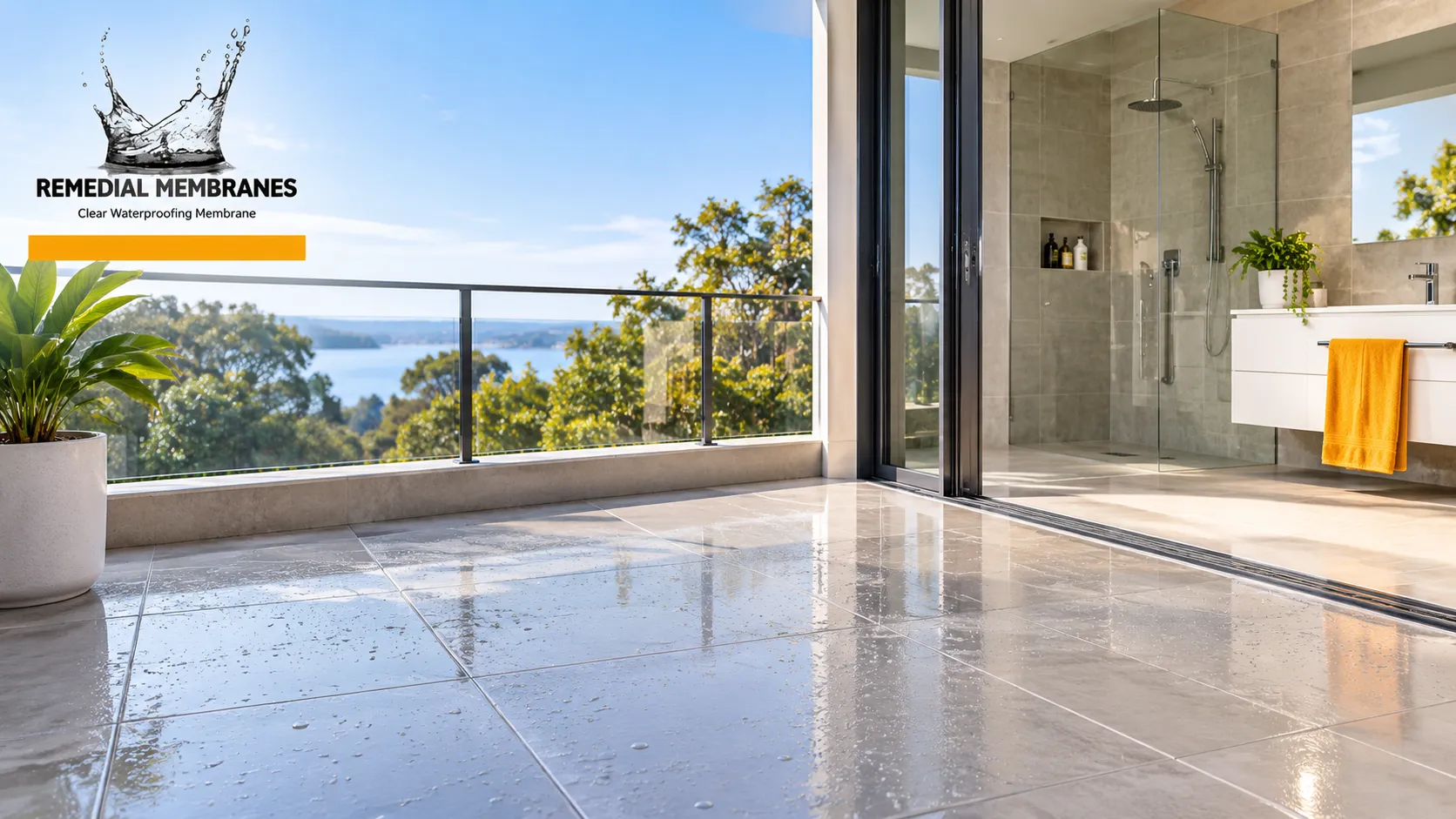
A leaking balcony can cause water damage, damp patches, peeling paint, and deterioration of the building below. For Australian homeowners, finding a reliable repair method is essential, especially when removing existing tiles could be expensive, disruptive, and time-consuming. In some cases, you can fix a leaking balcony without removing the existing tiles by applying a suitable waterproofing system over the tiled surface. However, the right solution depends on the source of the leak, the condition of the tiles and grout, the balcony drainage, and the existing waterproofing membrane.
What Causes a Balcony to Leak?
Balcony leaks often develop when water passes through damaged joints, cracks, failed waterproofing, or poorly sealed connections. Even a balcony with attractive, intact tiles can have an underlying waterproofing problem.
Common causes include:
- Cracked or deteriorated grout: Damaged grout joints can allow water to enter the tiled surface.
- Failed waterproofing membrane: An ageing or damaged membrane may no longer prevent moisture from penetrating the balcony structure.
- Poor drainage: Blocked outlets or inadequate falls can allow water to pool on the balcony.
- Damaged perimeter sealant: Failed seals around walls, doors, and other junctions can create pathways for water.
- Cracked tiles or substrate movement: Movement in the underlying structure can damage tiles, joints, and waterproofing layers.
In Australia, heavy rainfall, temperature changes, and exposure to outdoor conditions can contribute to deterioration over time. Identifying the actual source of water ingress is the first step towards choosing an effective balcony leak repair solution.
Can You Fix a Leaking Balcony Without Removing Tiles?
Yes, certain leaking balconies can be repaired without removing the existing tiles. A suitable waterproofing membrane or coating may be applied over a prepared tiled surface, provided the substrate is stable and the selected system is compatible with the existing tiles. This approach can reduce demolition, waste, labour, and disruption compared with removing and replacing the tiled surface. However, waterproofing over existing tiles is not suitable for every balcony. Loose tiles, extensive cracking, trapped moisture, poor drainage, or structural movement may require more extensive remedial work. Before choosing a repair method, a qualified waterproofing professional should assess the balcony and determine whether the existing surface can support a reliable waterproofing system.
How to Repair a Leaking Balcony Without Removing Tiles
The repair process depends on the balcony’s condition and the waterproofing product selected. The following steps explain the general approach.
1. Identify the Source of the Leak
Start by inspecting the balcony for visible signs of water penetration. Look for damaged grout, cracked tiles, deteriorated sealant, standing water, and damp patches on ceilings or walls below the balcony. Remember that the visible symptoms may not reveal the actual entry point. Water can travel beneath tiles before appearing inside the building. A professional inspection can help establish whether the problem comes from the tiled surface, perimeter junctions, drainage, or a failed underlying membrane.
2. Check the Existing Tiles and Surface
The tiled surface must be suitable for the proposed waterproofing system. Loose tiles, hollow-sounding areas, unstable grout, and significant cracks can indicate that further investigation or repairs are needed. The surface must also be assessed for moisture, contamination, and compatibility with the selected coating. Applying a new membrane over an unstable or unsuitable surface may result in poor adhesion and recurring leaks.
3. Prepare the Tiled Balcony
Surface preparation is essential for a durable waterproofing application. Depending on the product manufacturer’s instructions, preparation may involve cleaning the tiles, removing contaminants, repairing suitable joints, treating cracks, and applying a compatible primer. Perimeter joints, door thresholds, penetrations, and drainage details require particular attention because these areas can be vulnerable to water entry. Do not assume that simply applying a coating over dirty tiles or damaged grout will solve the problem.
4. Apply a Suitable Waterproofing Membrane
Once the surface is properly prepared, a compatible waterproofing membrane or coating may be applied according to the manufacturer’s specifications. Some systems are designed for application over existing tiled surfaces, while others require different substrates or preparation methods. A clear waterproofing membrane may be an option where maintaining the appearance of the existing tiles is important. However, transparency alone does not guarantee waterproofing wallpaper performance. Check that the chosen product is suitable for exterior exposure, the specific tiled surface, expected foot traffic, and the balcony’s drainage conditions.
5. Treat Critical Junctions and Allow Proper Curing
Waterproofing performance depends on more than the main floor area. Wall junctions, movement joints, door thresholds, and drainage outlets must be addressed using compatible detailing. The system should be allowed to cure for the period specified by the manufacturer before exposure to rain or foot traffic. Where appropriate, follow the manufacturer’s testing and inspection requirements before returning the balcony to normal use.
Choosing the Right Balcony Waterproofing Solution
The best waterproofing solution depends on the condition of the existing balcony and the type of water penetration. A clear waterproofing coating may be worth investigating when the tiles are stable and the selected system is specifically designed for the application. A liquid-applied membrane may be appropriate for certain prepared surfaces, while more extensive repairs may be necessary when the existing waterproofing has failed beneath the tiles.
Before selecting a product, consider:
- Compatibility with existing tiles and grout.
- Resistance to outdoor weather and water exposure.
- Ability to accommodate relevant movement.
- Slip resistance and suitability for pedestrian traffic.
- Compatibility with balcony drainage and junction details.
- Manufacturer requirements for preparation, application, and maintenance.
A product that works on one balcony may not be appropriate for another. Professional assessment helps reduce the risk of choosing an unsuitable waterproofing method.
How Much Does Leaking Balcony Repair Cost in Australia?
The cost of leaking balcony repair in Australia varies according to the size of the balcony, the source of the leak, surface condition, access requirements, and the waterproofing system selected.
Repairs that can be completed over stable existing tiles may avoid some demolition and tile replacement expenses. However, the total cost will depend on preparation, specialist materials, repairs to critical junctions, and any additional work required. More extensive problems involving failed underlying membranes, structural movement, or drainage defects may require substantial remedial work. For an accurate estimate, arrange an inspection and request a written quote outlining the cause of the leak, recommended repair method, preparation requirements, and scope of work.
When Is Removing Balcony Tiles Necessary?
Although waterproofing over tiles can be a practical option in suitable situations, some balconies require tile removal to achieve a reliable repair. Removal may be necessary when tiles are loose or extensively damaged, moisture is trapped beneath the surface, the substrate has deteriorated, or the existing waterproofing membrane needs replacement. Significant drainage problems and structural movement may also need to be corrected before a new waterproofing system is installed. Simply covering these problems with another coating can conceal the underlying defect without resolving it.
A proper assessment helps determine whether a surface-applied solution is appropriate or whether a more comprehensive balcony waterproofing repair is needed.
Why Professional Balcony Waterproofing Matters
Balcony waterproofing involves several connected elements, including the tiled surface, underlying substrate, membrane, drainage, and junctions with surrounding building components. If one of these elements is defective, water may continue to enter the building even after visible cracks or grout joints have been treated. A professional waterproofing specialist can investigate the likely cause, assess the condition of the existing surface, and recommend a repair method suited to the balcony. For Australian properties, the proposed work should also be checked against applicable building requirements and relevant Australian Standards, including those that apply to the particular waterproofing system and building type.
Get Advice on Leaking Balcony Repair
Fixing a leaking balcony without removing tiles may be possible when the existing surface is stable and a compatible waterproofing system can address the underlying problem. The key is to identify the source of the leak, assess the condition of the tiled surface, and choose a solution that addresses drainage, junctions, and waterproofing performance rather than simply covering visible damage.
Remedial Membranes can be a starting point for exploring suitable remedial waterproofing options for existing tiled surfaces. Before selecting a system, review the product specifications and arrange an assessment to determine the most appropriate approach for your balcony. Protecting your property starts with understanding why the balcony is leaking and choosing a repair method designed for the actual problem.
Frequently Asked Questions
Can I waterproof my balcony over existing tiles?
Yes, provided the tiles and underlying surface are suitable and the selected waterproofing system is specifically designed for the application. An inspection is recommended before proceeding.
Will sealing balcony grout stop a leak?
Sealing or repairing grout may help address certain surface problems, but it will not necessarily fix a failed waterproofing membrane, drainage defect, or water entry through perimeter junctions.
Can a clear waterproofing membrane repair a leaking balcony?
A suitable clear membrane may help waterproof certain existing tiled surfaces. Its effectiveness depends on surface preparation, product compatibility, correct application, and the condition of the balcony.
How long does balcony waterproofing last?
The service life varies by product, installation quality, exposure, maintenance, and movement in the building. Check the manufacturer’s technical information and warranty conditions for the selected system.
When should I call a waterproofing professional?
Seek professional advice if water is entering the building below, leaks continue after minor repairs, tiles are loose, or you notice persistent dampness, cracking, or standing water.
